

Why Compression Matters in the Healing Process
Compression therapy is a standard component of post-operative care in modern aesthetic surgery. It is not merely a comfort item but a functional tool that actively shapes the healing tissue. The primary goal is to manage the body's natural inflammatory response to surgical trauma.
Managing Edema and Fluid Retention
Supporting Tissue Adhesion
When surgeons reposition fat or skin, the tissue needs time to adhere to the underlying structures. Compression holds these layers together while they heal. This prevents the formation of dead spaces where fluid or seromas could develop. It also helps the skin contract smoothly over the new underlying architecture.
Recommended Durations by Surgical Area
The length of time you must wear compression depends heavily on the specific procedure performed. Different tissues heal at different rates, and the degree of repositioning varies. The following guidelines reflect standard practices for common procedures offered at Ultimo Clinic.
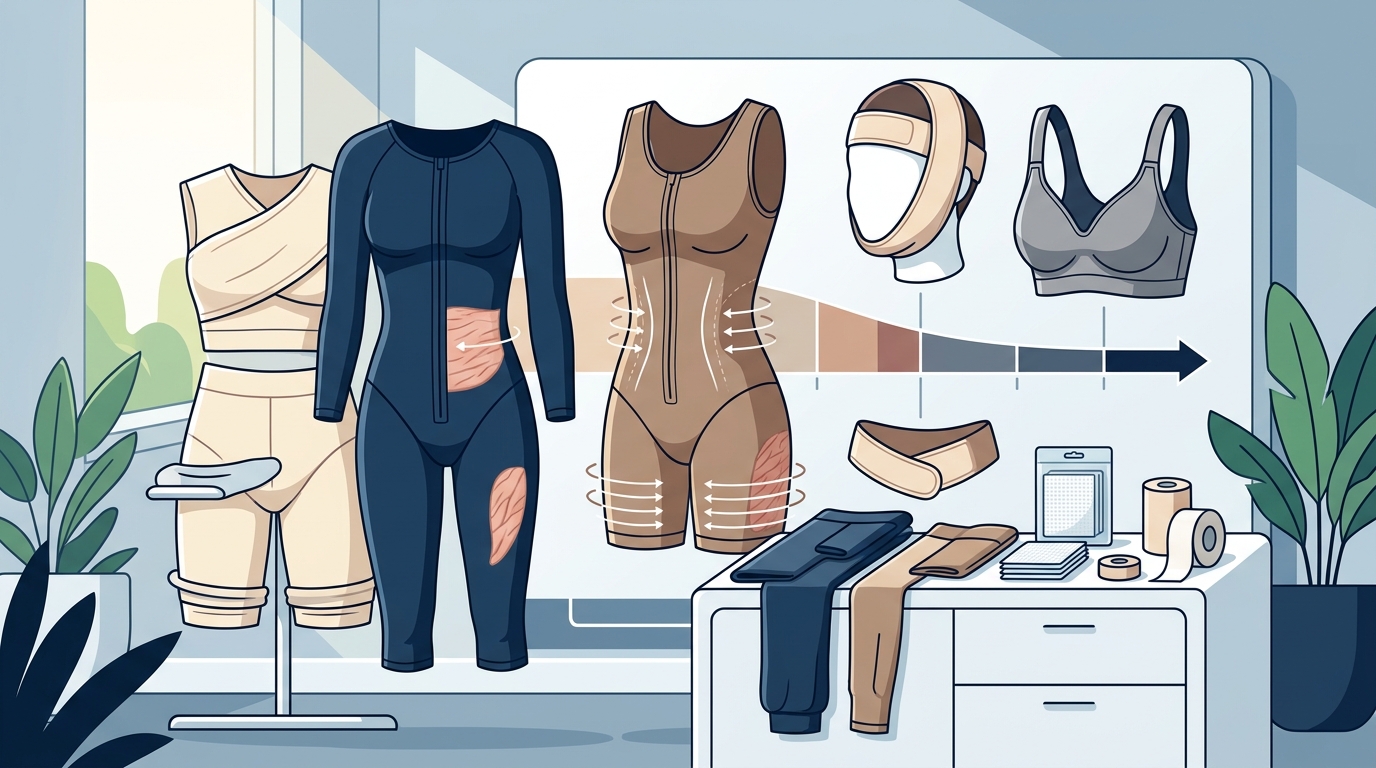
Body Contouring and Liposuction
For procedures like liposuction or body contouring, compression is critical for skin retraction. Patients are generally advised to wear full-body or area-specific compression garments for 4 to 6 weeks. The first two weeks often require 23 hours a day of wear, followed by a gradual reduction. This duration allows the skin to shrink and adhere to the new body shape.
Breast Surgery
Facial Procedures
Facial surgeries, such as deep plane facelifts, require a different approach. Instead of bulky garments, patients use specialized compression bandages or masks. These are typically worn for 5 to 7 days continuously, followed by a few weeks of lighter compression at night. This gentle pressure helps minimize bruising and swelling in the delicate facial tissues.
How to Wear Compression Garments Correctly
Simply owning the right garment is not enough; the schedule of wear is equally important. Surgeons at Ultimo Clinic emphasize consistency over perfection. The goal is to maintain pressure during the most critical phases of healing.
The 23-Hour Rule
For the first two weeks after major body or breast surgery, patients are usually instructed to wear compression 23 hours a day. You may remove the garment only for showering or brief hygiene checks. This near-constant pressure is vital for controlling the initial surge of swelling. Removing the garment for long periods during this phase can lead to uneven healing.
Transitioning to Night Wear
Ensuring Proper Fit and Comfort
Compression garments must fit correctly to be effective. A garment that is too loose provides no benefit, while one that is too tight can restrict circulation and cause pain. Proper fitting is a key aspect of the care provided by the best plastic surgeon teams.
Signs of Incorrect Fit
Patients should monitor for specific signs that indicate a fit issue. Numbness, tingling, or discoloration of the skin are warning signs that the garment is too tight. If the garment leaves deep, painful indentations in the skin, it is likely too small. Conversely, if the garment slides around or bunches up, it may be too large. Adjustments should be made immediately to prevent complications.
Managing Skin Irritation
Wearing compression for several weeks can sometimes lead to skin irritation or itching. This is a common side effect, especially in the first few days. Keeping the skin clean and dry is essential. If irritation persists, patients should contact their surgical team for advice. They may recommend a different fabric or a barrier cream to protect the skin.
Key Takeaways
- Compression garments are typically worn for 4 to 6 weeks after most plastic surgery procedures.
- The first two weeks usually require 23 hours a day of wear to manage acute swelling.
- After the initial phase, wear often transitions to night-time only for the remaining weeks.
- Facial procedures use specialized bandages or masks for 5 to 7 days, followed by lighter compression.
- Proper fit is critical; garments should be snug but not painful or restrictive.
- Always follow the specific instructions provided by your surgical team at Ultimo Clinic.
Frequently Asked Questions
Can I sleep in my compression garment?
What if my compression garment is too tight?
If the garment causes pain, numbness, or tingling, it is likely too tight. You should loosen it or switch to a larger size immediately. Contact your surgical team if you are unsure about the fit. Wearing a garment that is too tight can restrict blood flow and delay healing.
How do I clean my compression garment?
Most compression garments should be hand-washed in cool water with a mild detergent. Avoid using bleach or fabric softeners, as these can damage the elastic fibers. Air dry the garment flat; do not use a dryer or hang it, as this can stretch the material. Check the specific care label for your garment.
Do I need to wear compression after a facelift?
Yes, but the type of compression is different. Instead of a bulky garment, you will use specialized facial bandages or a compression mask. These are typically worn for the first 5 to 7 days. After that, you may use lighter compression at night for a few more weeks to manage residual swelling.
When can I stop wearing compression entirely?
Most patients stop wearing compression entirely after 4 to 6 weeks. However, some surgeons may recommend occasional wear for up to 3 months for certain body contouring procedures. Follow the specific timeline provided by your surgeon. Stopping too early can compromise the final results.
Is it normal to feel hot while wearing compression?
Yes, feeling warm or hot is a common sensation, especially in the first few days. The compression restricts airflow and can trap heat. This is usually temporary and subsides as your body adjusts. If the heat is accompanied by pain or redness, contact your care team to rule out infection.