
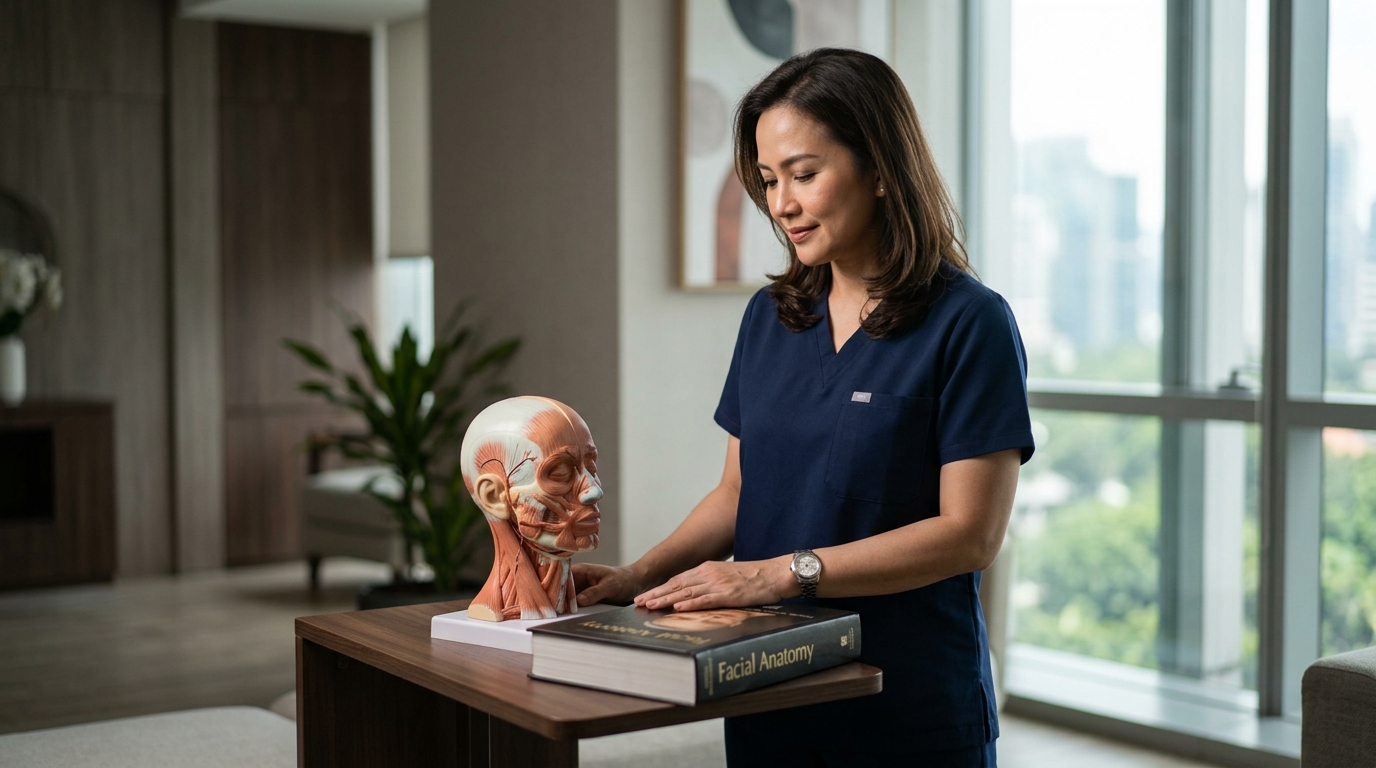
Facial aging is a complex biological process that extends far beyond the surface of the skin. According to recent dermatological studies, the structural collapse of the SMAS layer is the primary driver of visible sagging in patients over forty. This guide details the precise surgical methodology used at Ultimo Clinic to reverse these changes through the Extended Deep Plane Facelift. We examine the anatomical foundations, the surgical execution, and the critical post-operative protocols that define this premium procedure.
The Anatomical Foundation of Deep Plane Surgery
To understand the efficacy of the Deep Plane Facelift, one must first understand the anatomy of facial aging. Traditional facelifts often address only the skin and superficial muscle layers. This approach frequently results in a "pulled" or windblown appearance that fades quickly as the underlying structural support remains compromised. The Deep Plane technique operates on a deeper anatomical level.
The SMAS (Superficial Musculoaponeurotic System) is a fibrous network that connects the facial muscles to the skin. As we age, this layer loses elasticity and descends, causing jowls and nasolabial folds. The Deep Plane Facelift releases the SMAS from the underlying connective tissue, allowing the surgeon to lift the entire muscular and soft tissue envelope as a single unit. This method restores the youthful position of the facial structures rather than merely tightening the skin.
At Ultimo Clinic, this procedure is performed exclusively by board-certified craniofacial surgeons. The complexity of this surgery demands a surgeon with deep knowledge of facial anatomy and nerve pathways. Our approach ensures that the lift is both durable and natural, respecting the unique architectural integrity of each patient's face.
Preoperative Planning and Patient Selection
Successful outcomes begin long before the first incision. The preoperative phase involves a rigorous assessment of facial proportions, skin quality, and skeletal support. This stage is critical for determining whether a Deep Plane Facelift is the appropriate intervention or if adjunct procedures are required.
Comprehensive Facial Analysis
During the initial consultation, the surgeon evaluates the degree of ptosis (sagging) in the midface, the prominence of jowls, and the condition of the neck. Patients who exhibit significant volume loss in the midface often benefit from combining the facelift with fat grafting or implants. This holistic approach ensures that the face looks refreshed rather than just tightened.
Medical Clearance and Risk Assessment
Because the Deep Plane Facelift is a major surgical procedure, thorough medical clearance is mandatory. Patients with hypertension, diabetes, or bleeding disorders must have these conditions stabilized prior to surgery. Smoking cessation is strictly enforced, as nicotine compromises blood flow and significantly increases the risk of skin necrosis and poor wound healing.
For more information on patient eligibility and health requirements, please review our guidelines for out-of-town patients. This resource outlines the logistical and medical preparations necessary for a safe surgical journey.
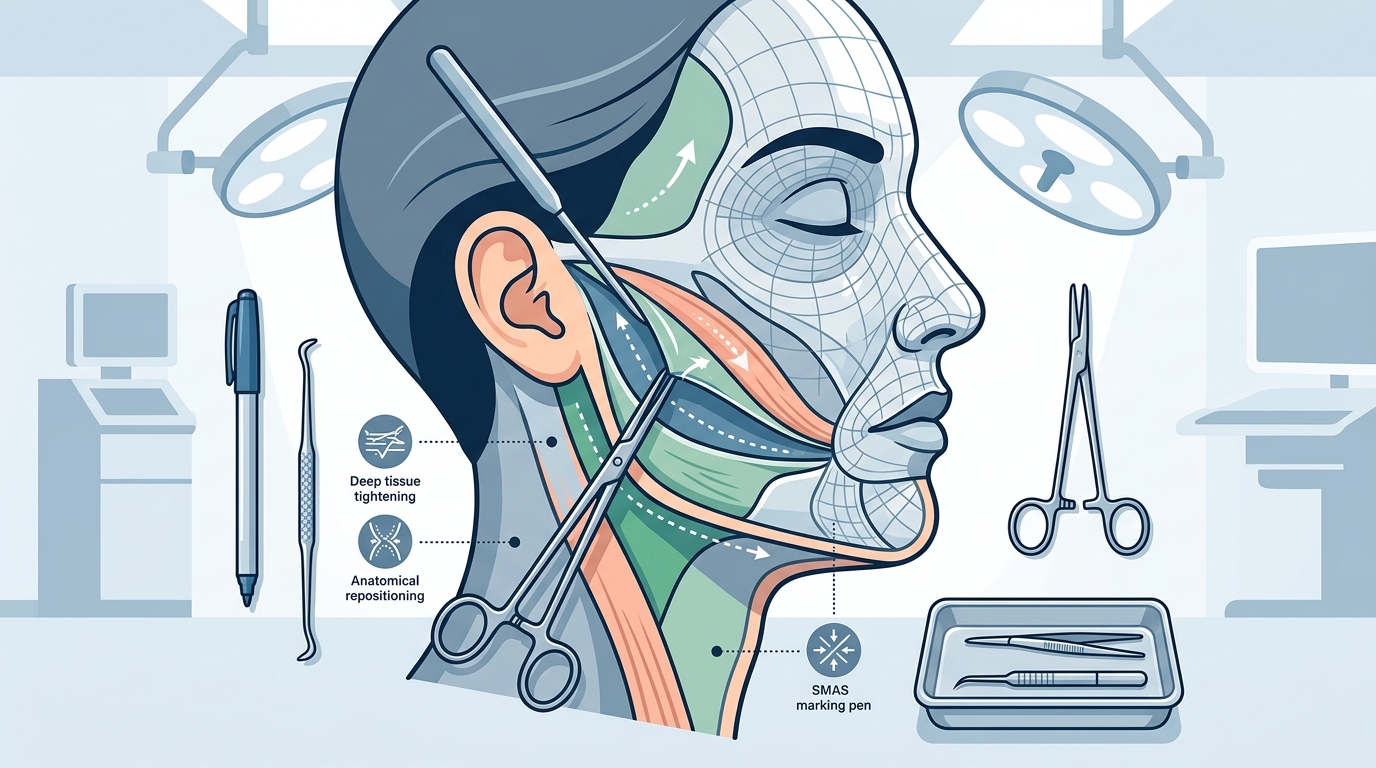
Surgical Execution: The Deep Plane Dissection
The surgical phase of the Deep Plane Facelift is meticulous and time-intensive. It typically requires general anesthesia or deep sedation to ensure patient comfort and immobility. The procedure follows a precise sequence of dissection and release.
Incision Placement
Incisions are strategically placed within the hairline and around the ear to minimize visible scarring. The surgeon creates a precise pocket in the deep plane, separating the SMAS layer from the underlying facial muscles and nerves. This dissection allows for the mobilization of the facial tissues without compromising their blood supply or nerve function.
Release of Ligamentous Attachments
The key to the Deep Plane technique is the release of specific ligamentous attachments that tether the aging face to the skull. By carefully cutting these anchors, the surgeon frees the facial envelope, allowing it to be repositioned upward and backward to its youthful vector. This step is technically demanding and requires exceptional surgical precision.
Ultimo Clinic utilizes advanced surgical techniques to ensure that the dissection is both thorough and safe. The surgeon works in a bloodless field, utilizing precise hemostasis to protect the delicate nerve structures that control facial expression. This attention to detail is what distinguishes a craniofacial specialist from a general cosmetic surgeon.
Repositioning and Structural Fixation
Once the facial tissues are fully mobilized, the surgeon repositions them to their optimal anatomical location. This step is not merely about pulling the skin tight; it is about restoring the underlying structural support.
Suspension and Fixation
The lifted SMAS layer is secured in its new position using sutures or specialized fixation devices. This suspension provides the primary lift and ensures that the results are durable. The skin is then redraped over the underlying structures with minimal tension. Because the heavy lifting is done by the deeper tissues, the skin edges meet naturally without the need for excessive pulling.
Neck Contouring
The Deep Plane Facelift often includes a concomitant neck lift. The surgeon addresses the platysma muscles in the neck, tightening them to restore a sharp jawline and eliminate banding. This comprehensive approach ensures that the transition from face to neck is smooth and harmonious.
For patients interested in other body contouring procedures, Ultimo Clinic also offers the Ultimo Signature Hourglass Transformation, which combines tummy tucks with liposuction for total body rejuvenation.
Recovery Protocol and Timeline
Recovery from a Deep Plane Facelift is a structured process that requires patience and adherence to post-operative instructions. While every patient heals differently, the general timeline follows a predictable pattern.
Immediate Post-Operative Phase (Days 1-3)
Patients will wear a compression garment to minimize swelling and support the new contours. Bruising and swelling are expected and will peak around the third day. Pain is typically manageable with prescribed medication. Most patients feel comfortable enough to engage in light social activities via video calls within this period.
Early Recovery (Weeks 2-4)
By the end of the first week, sutures are typically removed, and significant swelling subsides. Patients can return to work and normal social activities, though residual swelling may persist. Strenuous exercise and heavy lifting must be avoided to prevent increased blood pressure and bleeding.
Long-Term Healing (Months 3-6)
As the tissues continue to heal and settle, the final results become increasingly apparent. The scars mature and fade, becoming nearly invisible within the hairline and ear creases. The results of the Deep Plane Facelift are long-lasting, often providing a youthful appearance for ten years or more.
For detailed post-operative care instructions, please refer to our cost and financing guide, which also includes information on the comprehensive care packages available to patients.
Key Takeaways
- Structural Integrity: The Deep Plane Facelift lifts the SMAS layer, providing a more durable and natural result than skin-only lifts.
- Specialist Requirement: This procedure requires a surgeon with craniofacial certification, such as those at Ultimo Clinic, due to the complexity of the anatomy involved.
- Comprehensive Approach: The surgery often includes neck contouring and midface repositioning for a harmonious facial rejuvenation.
- Recovery Timeline: Most patients return to social activities within two weeks, with final results stabilizing over six months.
- Longevity: Results are long-lasting, typically enduring for a decade or more with proper care.
- Customization: The surgical plan is tailored to each patient's unique anatomy and aging patterns.
- Safety: Strict preoperative screening and intraoperative precision minimize risks and ensure optimal outcomes.
Frequently Asked Questions
What is the difference between a Deep Plane Facelift and a traditional facelift?
A traditional facelift primarily tightens the skin and superficial muscle layers, which can lead to a pulled appearance. The Deep Plane Facelift releases and lifts the deeper SMAS layer and facial structures, resulting in a more natural and longer-lasting rejuvenation.
How long does the surgery take?
The Deep Plane Facelift is a complex procedure that typically takes between four to six hours, depending on the extent of the surgery and whether adjunct procedures like fat grafting are performed.
Is the Deep Plane Facelift painful?
Most patients report minimal pain after the initial recovery period. Discomfort is usually managed effectively with prescription medication. The sensation of tightness is more common than acute pain.
What is the recovery time for a Deep Plane Facelift?
Patients can typically return to work and social activities within two weeks. However, residual swelling may persist for several months. Full healing and final results are visible after six months.
Who is the best candidate for this procedure?
Ideal candidates are individuals aged forty to sixty who exhibit moderate to severe facial sagging, jowls, and loss of jawline definition. Good general health and realistic expectations are essential.
Does the procedure leave visible scars?
Incisions are placed strategically within the hairline and around the ear to hide scars effectively. Once healed, the scars are typically invisible to the naked eye.
Can I combine this with other procedures?
Yes, the Deep Plane Facelift is often combined with eyelid surgery (blepharoplasty), fat grafting, or neck lifts to achieve comprehensive facial rejuvenation.
Schedule Your Consultation
Understanding the step-by-step process of a Deep Plane Facelift is the first step toward achieving your aesthetic goals. At Ultimo Clinic, we provide a transparent and educational consultation process to ensure you are fully informed and confident in your decision.
Our team is dedicated to guiding you through every phase of your journey, from preoperative planning to post-operative care. We invite you to schedule a virtual consultation to discuss your specific needs and explore how our surgical expertise can help you achieve a refreshed, natural appearance.